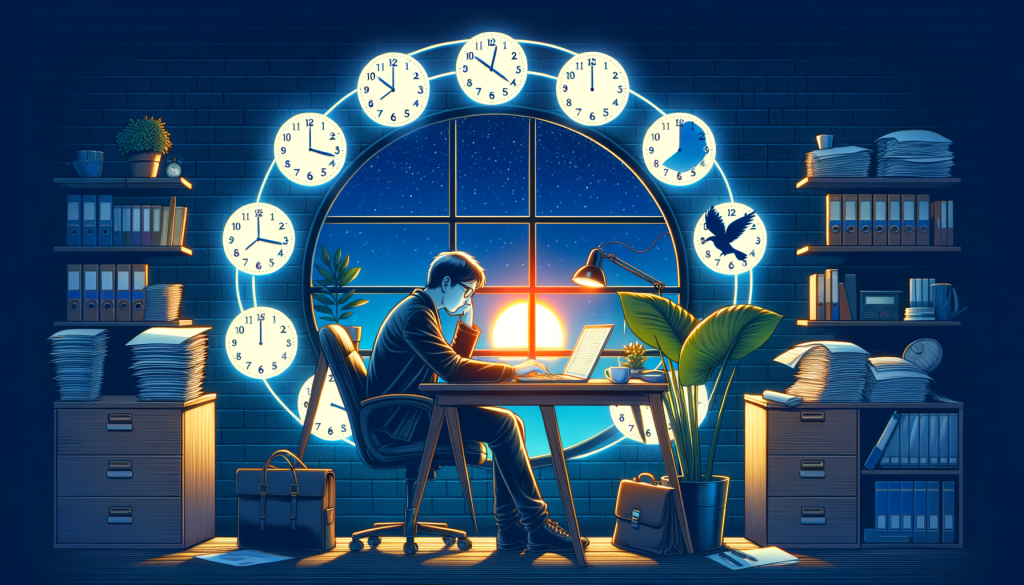

One of the most destructive mental patterns I’ve observed in technology leaders, and one I’ve fallen into myself more times than I’d like to admit, is the belief that relief is just around the corner. If I can just get through this launch. If I can just close this quarter. If I can just navigate this reorg, hire this key person, resolve this production incident, get past this board meeting. Then things will calm down and I can finally breathe.
This thinking feels rational in the moment. It’s a coping mechanism, a way to endure difficulty by promising ourselves a future reward. But it’s fundamentally flawed because it’s built on a premise that almost never holds: that the current pressure is an aberration, and that normalcy, some sustained period of calm, is waiting on the other side.
The Treadmill of Relief That Never Comes
In my experience, the work never ends. Not in any role worth having, and certainly not in technology leadership. The nature of our work is that we’re building things that don’t exist yet, solving problems that haven’t been solved before, and operating in markets that shift constantly. There is no steady state. The moment one major effort concludes, another emerges to take its place. Sometimes it’s already been waiting in the wings; sometimes it materializes from nowhere.
When you orient your entire mental and emotional framework around the idea that you just need to survive until the current crisis passes, several harmful things happen:
- You give yourself permission to operate in an unsustainable way, burning reserves you’ll need later
- You defer recovery, relationships, health, and reflection to a future that keeps receding
- You experience the completion of each effort not as satisfaction but as brief respite before the next wave of anxiety
- You train yourself to associate your work with suffering rather than meaning
I’ve watched executives operate this way for years, always on the verge of a breakthrough to some calmer existence. They become brittle. Their judgment suffers because they’re perpetually depleted. And perhaps most tragically, they miss the actual experience of their professional lives because they’re always looking past the present moment to some imagined future relief.
Finding Satisfaction in the Process Itself
The alternative is not to pretend the work is easy or that every day is enjoyable. Some days are genuinely hard. Some problems are genuinely draining. The alternative is to recognize that the texture of difficulty is the texture of the work itself, and that meaning has to be found within it rather than after it.
This requires a fundamental reorientation. Instead of asking “when will this be over?” you have to ask “how can I be present in this?” Instead of treating each challenge as an obstacle between you and some peaceful future, you have to see the challenge as the thing itself: the actual substance of what you’ve chosen to do with your professional life.
I’ve found that this shift becomes easier when I focus on smaller units of time. A quarter, a month, even a week can feel overwhelming when viewed as a block to be endured. But an hour? A single conversation? A specific decision? Those can be engaged with fully. Those can be satisfying in their own right, even when they’re part of a larger effort that’s stressful.
- The satisfaction of helping someone think through a hard problem clearly
- The small pleasure of writing something well, even if it’s just an internal memo
- The engagement of debugging a complex issue with your team
- The connection that comes from being honest with a colleague about a difficult situation
These moments are available constantly, but only if you’re actually present for them rather than mentally fast-forwarding to some future state.
Sustainability as a Practice, Not a Destination
I think many of us treat sustainability as a condition we’ll achieve once external circumstances allow it. We’ll exercise regularly once this project ships. We’ll spend more time with family once we’ve hired the right team. We’ll read more, think more, rest more, later. But later never comes, or when it does, new demands have already filled the space.
Sustainability has to be built into how you operate now, not deferred to some future configuration of your life. This doesn’t mean working less hard or caring less about outcomes. It means recognizing that you’re playing a long game, measured in decades, not quarters, and that how you engage with the work today is how you’ll engage with it for years to come.
The leaders I most admire have figured this out. They’re fully engaged with their work, often in demanding and high-pressure situations, but they’re not waiting for it to end. They’ve made peace with the reality that the work is the thing, and they’ve found ways to be present for it rather than enduring it. They’re not martyrs grinding through until some reward arrives. They’re practitioners who have found meaning in the practice itself.
Every day, every hour, every conversation can be satisfying in its own right if you’re actually there for it. But you have to give up the fantasy that the pressure is temporary and that relief is coming. The pressure is the job. The question is whether you can find a way to be fully alive within it.